

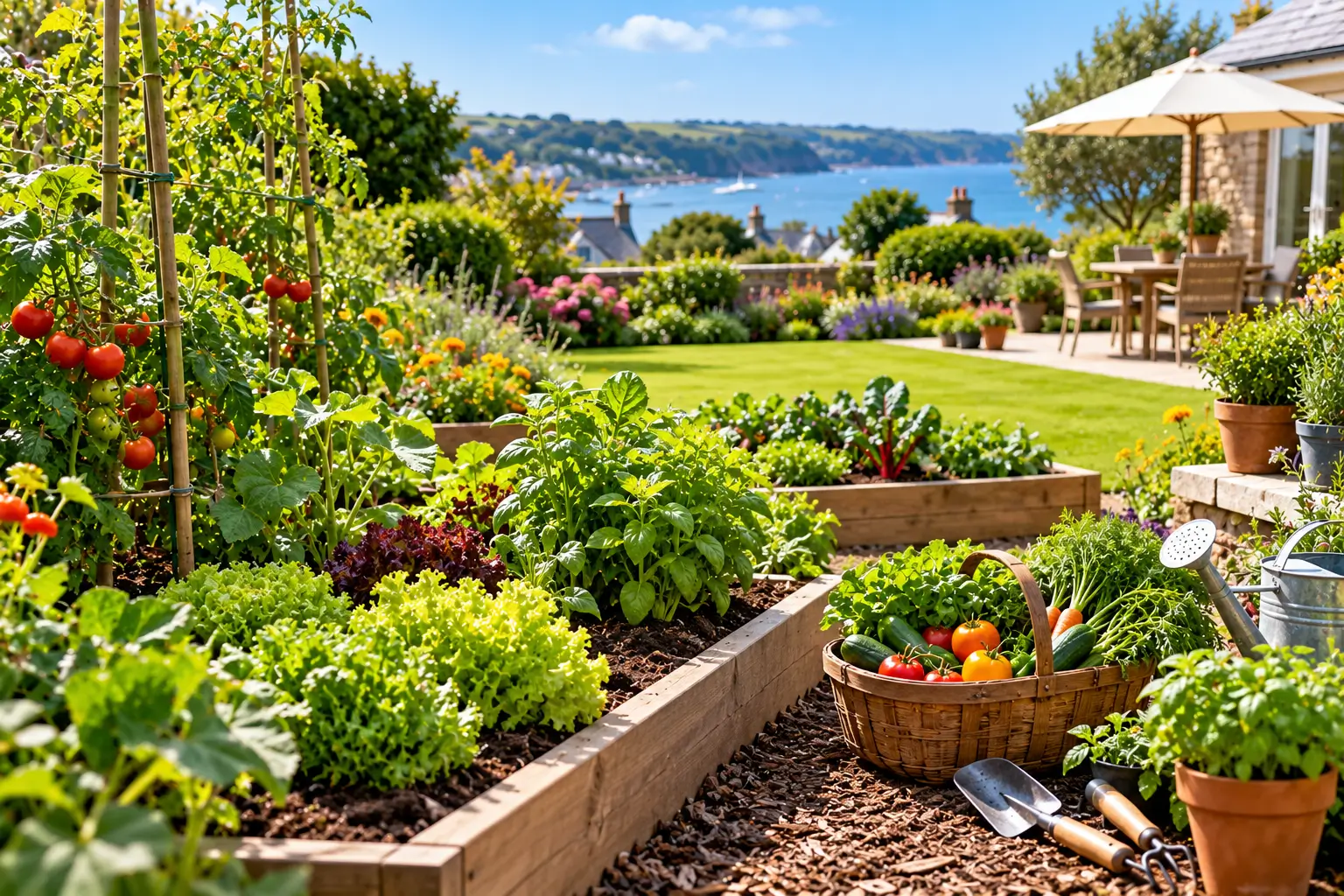
Growing your own vegetables, herbs and fruit is a rewarding way to make better use of your outdoor space. A productive home garden can provide fresh ingredients for everyday meals, encourage healthier habits and give you a practical reason to spend more time outdoors. You do not need a large plot or years of gardening experience to get started. With thoughtful planning, suitable plants and consistent care, even a small backyard can become a useful growing space.
The key is to start with realistic goals, understand your growing conditions and build a garden that fits your available space and time.
1. Choose the Right Location for Your Home Garden
Before buying seeds or preparing soil, decide where your garden will go. Most fruiting vegetables, including tomatoes and peppers, need several hours of direct sunlight each day. Leafy crops and some herbs can tolerate partial shade, making them suitable for gardens with limited sun exposure.
Look for a location that offers:
- Adequate sunlight for your chosen crops
- Easy access to water
- Soil that drains reasonably well
- Protection from strong winds where possible
- Convenient access for planting, watering and harvesting
If your garden has limited ground space, consider containers, raised beds or vertical growing systems. These options can make productive gardening possible on patios, balconies and smaller outdoor areas.
It is also worth considering how your growing area fits into the rest of the garden. A well-organised layout can provide space for vegetables without making the lawn, pathways or seating areas difficult to use.
2. Prepare Healthy Soil Before Planting
Healthy soil supports strong roots, balanced moisture levels and better plant growth. Before planting, remove unwanted weeds and debris, then examine the soil to understand its condition.
Compacted ground may need loosening, while very heavy or poorly drained soil can benefit from raised beds or other suitable growing methods. Adding mature compost or well-rotted organic matter can improve soil structure and contribute nutrients.
Avoid working excessively wet soil, as this can damage its structure. If you are growing in containers, use a suitable growing medium rather than ordinary garden soil alone.
A little preparation at the beginning can reduce problems later and give your plants a better environment in which to establish.
3. Grow Vegetables and Herbs You Will Actually Use
One of the easiest ways to make a home garden productive is to grow crops you regularly eat. This keeps your planting choices practical and helps prevent you from spending time and money on produce that goes unused.
Good options for beginners include:
- Lettuce and salad leaves: Useful for repeated harvesting during suitable growing conditions.
- Radishes: Often quick to mature and suitable for smaller growing areas.
- Spring onions: A practical choice for salads and everyday cooking.
- Herbs: Parsley, chives, mint and other suitable herbs can grow in containers or garden beds.
- Tomatoes: Productive when given suitable warmth, sunlight, support and watering.
- Beans: Many varieties grow well in a sunny space with appropriate support.
Choose varieties that suit your local climate and the season. Check seed packets for sowing times, spacing and harvesting guidance.
It is better to grow a manageable selection successfully than to plant too many crops at once. Once you understand what grows well in your garden, you can gradually expand your selection.
4. Plan Your Garden Layout for Better Results
A productive garden needs an organised layout. Group plants according to their sunlight, water and spacing requirements, and leave enough room to reach every bed without stepping on the growing soil.
Raised beds can help define growing areas, while paths make it easier to weed, water and harvest. Containers provide flexibility because they can be moved when sunlight or weather conditions change.
You can also combine edible plants with ornamental planting. Herbs, fruiting plants and attractive flowers can create a garden that looks appealing while serving a practical purpose.
For homeowners planning a broader outdoor transformation, residential landscaping in Mid Cornwall offers ideas for creating a more functional garden layout, including planting areas and lawn installation.
If your outdoor space needs a more substantial redesign, professional landscaping can help you consider how growing beds, pathways, lawns and seating areas work together.
5. Water and Feed Plants Consistently
Water is essential for healthy plant growth, particularly when seeds are germinating and young plants are establishing. However, watering too frequently can leave roots in waterlogged soil, while insufficient watering can slow growth and reduce harvests.
Check the soil before watering rather than following a rigid schedule. Water the root area thoroughly when needed, preferably during cooler parts of the day to reduce unnecessary evaporation.
Containers usually dry out more quickly than garden beds, so check them regularly during warm weather. Mulching around established plants can help retain moisture and suppress some weed growth.
Feeding requirements vary by crop. Some plants need additional nutrients during active growth, while excessive feeding can encourage leafy growth at the expense of fruit production. Follow the instructions for your chosen growing medium and fertiliser.
Consistency matters more than complicated routines. Regular observation helps you identify dry soil, nutrient problems and early signs of plant stress.
6. Keep Weeds, Pests and Garden Maintenance Under Control
A productive garden requires regular attention. Weeds compete with crops for water, nutrients and space, so removing them while they are small is generally easier than tackling a heavily overgrown bed.
Inspect plants for damaged leaves, unusual growth and signs of pests. Where practical, use physical barriers, encourage beneficial wildlife and remove affected plant material appropriately. Choose pest-control methods that suit the crop and follow product instructions carefully when treatments are necessary.
Keep paths clear and remove dead or diseased plant material when appropriate. Clean tools after use, particularly when working with plants showing signs of disease.
If the surrounding garden has become overgrown, clearing unwanted vegetation can make it easier to establish productive beds. Homeowners in Cornwall can explore garden clearance services in Mid Cornwall when a larger outdoor area needs attention before improvements begin.
For ongoing upkeep, regular garden maintenance in Cornwall is another option to consider when lawn care, vegetation management and seasonal jobs become difficult to fit into a busy schedule.
7. Make Space for Your Growing Garden
Vegetable beds are only one part of a successful outdoor space. You may also need a lawn, paths, storage for tools or an area where you can relax after gardening.
Planning these elements together can make the garden more comfortable and easier to use. A clearly defined lawn can separate growing beds from recreational space, while practical pathways provide access without disturbing plants.
If you want to establish a new lawn alongside your growing area, consider lawn installation in Cornwall. Proper ground preparation and a suitable layout help the lawn complement the rest of the garden.
Location and climate also influence outdoor design. Homeowners looking for examples of local landscaping can explore landscaping in St Austell or landscaping in St Mawes for services relevant to those Cornwall locations.
The objective is not to fill every available space with plants. Instead, create a balanced layout that supports growing, maintenance and everyday enjoyment.
8. Harvest Regularly and Learn from Each Season
Harvesting is one of the most satisfying parts of growing food at home. Pick vegetables when they reach the recommended size and maturity for their variety. Regular harvesting encourages continued production in certain crops, including beans and some salad plants.
Keep a simple record of what you planted, when it was sown and how well it performed. Note which areas received enough sunlight, which crops needed extra watering and which varieties produced the best results.
These observations will help you improve your approach over time. You can also stagger sowings of suitable crops rather than planting everything at once, helping spread harvests across the growing season.
As one season ends, remove spent plants where appropriate, replenish growing areas and plan what to grow next. Crop rotation can help reduce the build-up of certain soil-borne pests and diseases when you have enough space to move plant families between beds.
A productive home garden is rarely perfect from the beginning. Small adjustments, consistent care and realistic expectations usually produce better long-term results than trying to grow everything at once.
Final Thoughts
Starting a productive home garden is an achievable project when you focus on the basics: suitable sunlight, healthy soil, practical crop choices, thoughtful layout and regular maintenance. Whether you have a spacious backyard or a few containers on a patio, you can begin with a small selection of crops and expand as your confidence grows.
If you also want to improve the wider outdoor space around your home, thoughtful landscaping, lawn installation and garden maintenance can help create an environment that is attractive, accessible and easier to manage.
Start with the space you have, grow what you enjoy eating and build your gardening routine one season at a time.